Our projects

From Perception to Action: Resilient Urban Neighbourhood Flood Preparedness in Tāmaki Makaurau Auckland
We investigate how flood risk perception shapes preparedness, guideline compliance, and community engagement in flood-prone neighbourhoods. By examining the accessibility and affordability of preparedness strategies, the project explores how coordinated individual and collective actions can strengthen inclusive and sustainable flood resilience in Aotearoa New Zealand.
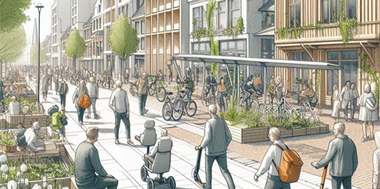
Future Neighbourhoods and Multispecies Postgraduate Research Lab
By creatively reimagining and adapting the existing fabric of buildings, streetscapes, public spaces, and urban systems in response to urgent contemporary challenges, we develop design propositions that embrace life-cycle thinking, resourcefulness, and holistic systems thinking.
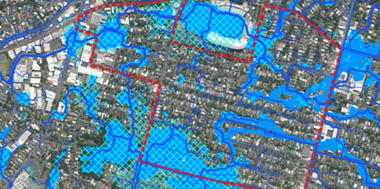
Urban Resilience to Natural Hazards in Aotearoa New Zealand: Flooding and Beyond
We examine the sociospatial dimensions of disaster risk, response, and preparedness to help inform more resilient urban centres, drawing on international best practices and the increasing applications of emerging digital technologies.
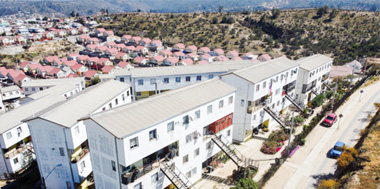
Learning from Collective Housing Co-designed With Indigenous Communities in Aotearoa New Zealand and Chile
Developed by researchers from AUT and PUCV-Chile, this international project examined how Indigenous values were embedded in contemporary collective housing through participatory design.
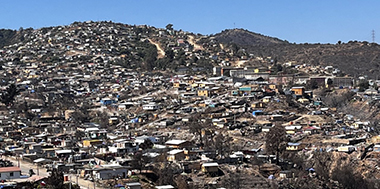
Fourth world
We investigate prior and existing work that attempts to define what is loosely classified as fourth-world countries and other terms we may not yet be aware of in this context.
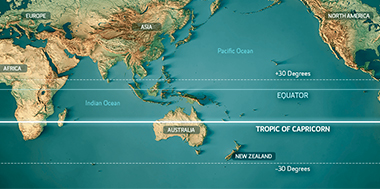
Larger Tropic of Capricorn project
Communities in the Tropic of Capricorn region face common challenges related to climate, environment, socio-economic conditions, culture, and technology access.
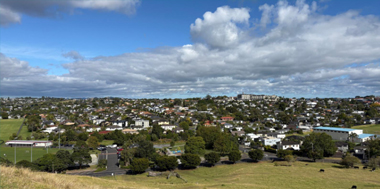
Retrofitting existing suburbs for local sufficiency
This research explores how suburban areas, typically low-density, car-dependent, and single-use, can be transformed to support climate resilience and community sufficiency.